
How to reduce food waste at home
New Zealand households waste an average $1,364 of food a year, according to the 2025 Rabobank-KiwiHarvest survey. Check food at home before shopping, keep older items within reach, and plan meals around food that needs using. Marsonya helps you track stock and food dates.
Before the next shop, look for food that is easy to miss: a yoghurt behind another pot, vegetables at the back of a drawer, or an opened packet on a crowded shelf. Giving that food a place in the week’s meals can prevent a duplicate purchase or an unused ingredient.
Marsonya keeps household food records and the next shopping plan together. Join the early-access list to hear when access opens.
How much food do NZ households waste a year?
New Zealand households throw away an average of $1,364 of food a year, according to the 2025 Rabobank-KiwiHarvest survey, published by Rabobank. The survey figure describes the cost of discarded food. The food-waste calculator applies the survey’s average waste rate to your weekly grocery spend. Its result is an estimate, not a measurement of your bin.
Why does food actually go to waste at home?
Shopping without checking existing stock can leave you with more than you need. New groceries placed in front of older food can hide it, and a date checked too late leaves fewer options for using the item. A shelf check before shopping and a use-first area make those items easier to notice.
What’s the difference between best-before and use-by dates?
A use-by date marks safety: food past a use-by date should not be eaten, even when it looks and smells fine. A best-before date marks quality: correctly stored food is often still good after the date passes. Confusing the labels can mean discarding suitable food early or keeping food past a safety date. Read the label’s wording and storage instructions before deciding what to use.
Food Standards Australia New Zealand explains the safety and quality distinction and the need to follow storage instructions.
The full guide to use-by versus best-before dates covers the legal rules, including why fresh bread carries a baked-on date instead.
Where can you check how long specific foods keep?
The leftovers guide explains New Zealand Food Safety’s two-day and four-day rules, including the shorter limit for rice. The food storage guide lists fridge, freezer and pantry times for common foods, with a source for each range.
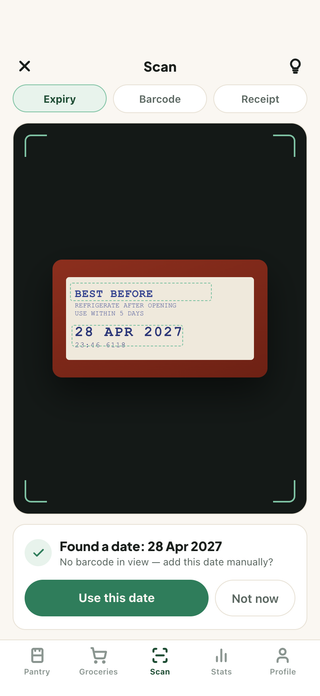
Marsonya saves recognised printed dates with the food record through camera scanning, reducing date typing. Mobile reminders can bring those dates back to mind when notifications are allowed. You choose what to cook; the app keeps the food records and reminders together. It does not assess whether food is safe.
How do I reduce food waste without a big lifestyle change?
- Choose meals from usable food at home. Use food that needs eating soon as a starting point, then add only the ingredients that are missing to the shopping list.
- Put older items in front. Move earlier-dated food to the front of the shelf. When unpacking groceries, put newer stock behind it. The rotation habit is called FIFO, first in, first out.
- Let reminders bring dates back to mind. Marsonya saves recognised printed dates with the phone camera and can schedule reminders when notifications are allowed. Follow the actual label and storage instructions before using food.
- Plan one use-it-up meal a week. Choose a flexible dinner that uses food nearing its date, provided the food is still suitable and has been stored correctly.
How does Marsonya help reduce food waste?
- Expiry tracking
- Expiry-date scanningthe camera reads printed use-by and best-before dates and files them automatically
- Expiry notificationsthe mobile app schedules reminders when phone notifications are allowed
- Waste-rate analyticssee the food you record as consumed, expired or wasted
What else do people ask about food waste?
How much money does reducing food waste actually save?
The 2025 Rabobank-KiwiHarvest survey reports average household food waste of $1,364 a year. The figure is a survey average, not a saving every household can achieve. Your costs depend on what you buy, use and throw away. Food-use reports can highlight recorded waste, but they do not measure every discarded item.
Is a best-before date the same as a use-by date?
No. A use-by date concerns safety; food should not be eaten after it. A best-before date concerns quality, and correctly stored food may still be suitable after it. Marsonya's expiry scanner records the date type, so you can distinguish the two when checking your food.
Does tracking expiry dates really change anything?
Checking dates gives you time to plan how to use food while it is still suitable. A reminder can help you remember an item at the back of the fridge. Follow its storage instructions and use-by date; an app reminder does not assess whether food is safe.
Do I have to log every single grocery item?
No. Start with food that affects your next shop. Barcode lookup and camera scanning reduce product and date typing, while quick quantity-use swipes update tracked food. Loose produce and leftovers can be added when useful; a complete kitchen count is unnecessary.