
How to cut your grocery bill in NZ
Start with the food already in your pantry, fridge and freezer. Plan meals around usable stock, add missing ingredients to your list, and set a spending limit before shopping. Compare unit prices and the total cost of that list. Buy extra only when you can afford it and will use it.
For the next family shop, start with what the kitchen already has and what you still need for meals. The reasons groceries are expensive in NZ are covered separately. This guide focuses on the purchases you can change this week.
Want to keep food records and the next shopping plan together? Join Marsonya’s early-access list and we will email you when access opens.
What should go on a smaller shopping list?
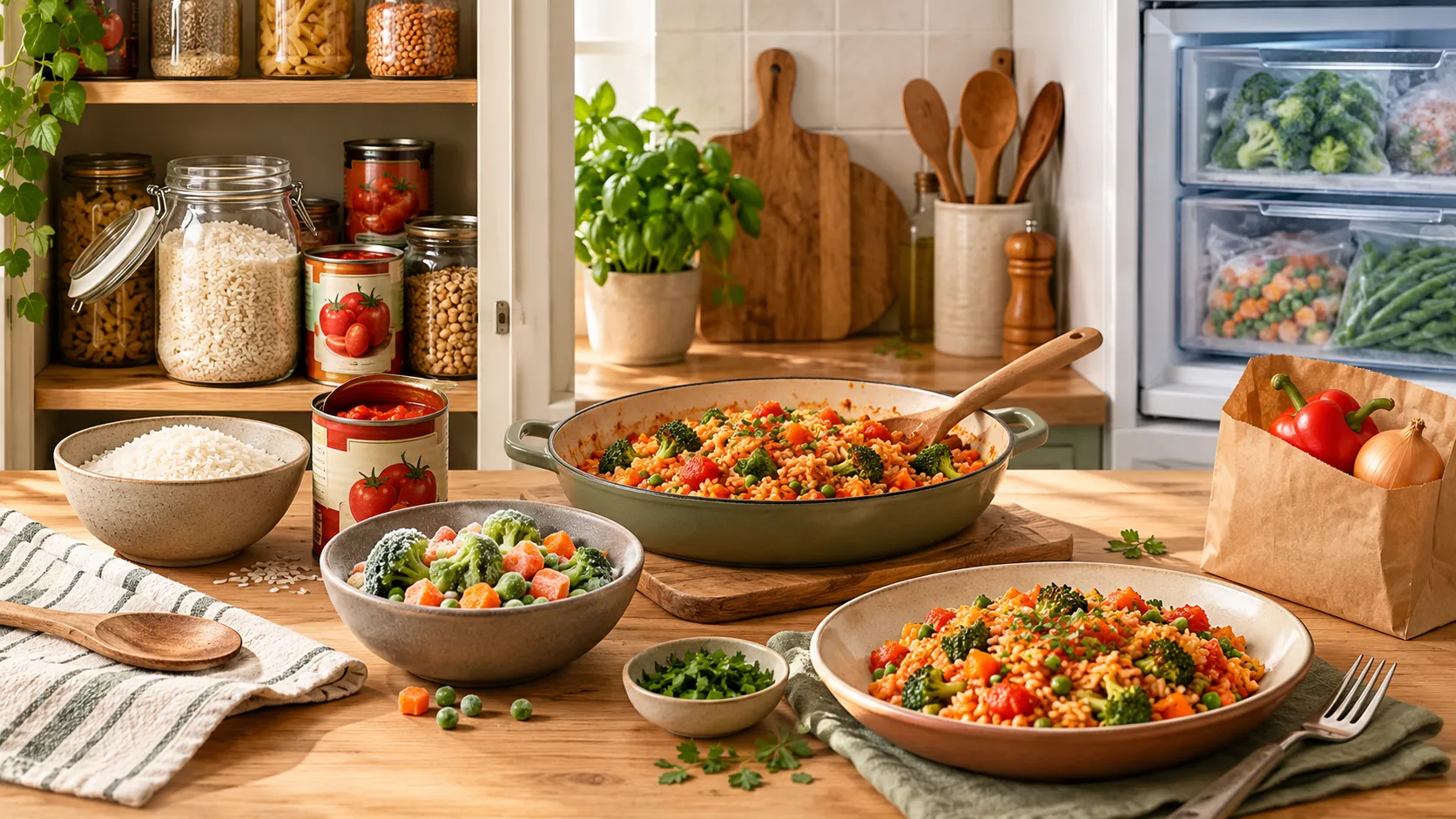
Use food already at home as a starting point for upcoming meals, then add what is missing. Include food in the fridge and freezer, not just the cupboard. A simple dinner using an ingredient already bought can need fewer new purchases than a special that requires several extra sauces, spices or side dishes.
Heart Foundation NZ’s shopping guide recommends checking the fridge and cupboards before shopping so you avoid buying ingredients already at home. Start with the food that matters for the next meals.
Marsonya brings your pantry, fridge and freezer records together. Barcode lookup identifies packaged products without typing their details. You can look up recorded stock while shopping, and a quick quantity-use swipe updates tracked food as it is used.
How can the planned shop fit your budget?
Choose an amount the household can afford until the next shop, leaving room for usual top-ups. Compare that amount with the planned purchase before checkout. If it is too high, change a meal or choose a suitable alternative while the list can still change. The aim is a workable week of food, not the lowest-looking main trolley.
Marsonya’s Buy Plan estimates the list from available store prices, with one-store and split-store options. Tap a product to see its available prices across supported stores, then adjust the list without adding up each product by hand. The retailer confirms the final price and any delivery or pickup charges at checkout.
Sorted’s grocery guide connects the food shop with the wider household budget and suggests keeping an easy meal available for busy days. A plan nobody has time to cook is unlikely to help.
Are specials, bigger packs or a second supermarket worth it?
A cheaper option helps when the food suits your household, fits the budget and will be used. Compare the unit price as well as the amount paid today. A larger pack or second store can cost more overall once unused food, extra travel, time and delivery charges are considered. Do not buy extra solely because the label says special.
Consumer Protection’s unit-pricing guide explains the common measure on shelf labels. Use those labels to compare current pack sizes. When changing brands, consider ingredients and dietary needs too. The supermarket comparison guide explains why one cheap item does not identify the cheapest whole shop.
How does using food sooner help the next shop?
Food already bought can cover a meal only while it is suitable to eat. Put usable food that needs attention sooner into upcoming meals, following the label and storage instructions. A use-by date is a safety limit; a best-before date concerns quality. A smaller bill does not justify using unsafe food.
Marsonya saves recognised printed dates with the camera and can schedule mobile reminders when notifications are allowed. Food-use reports show recorded consumption and waste, helping you notice products that repeatedly go unused. The app does not assess food safety or observe everything eaten. The date-label guide explains the distinction and links to official guidance.
What else do people ask about cutting grocery costs?
Is buying in bulk always better for my grocery budget?
Only buy the extra quantity when you can afford it, store it and use it. A lower unit price does not help this week's budget if the larger purchase costs more than you can spend.
Do I need to record every product before getting started?
No. Start with food that affects the next shop. Barcode lookup and recognised date scanning reduce typing, and a quick Eaten swipe updates tracked food. A complete kitchen count is unnecessary.
Can Marsonya complete supermarket checkout for me?
Buy Plan organises needed purchases by store. You complete checkout and payment with the retailer, where you can check the current basket total, availability and any delivery or pickup charges.