
How to stop buying groceries you already have
Check what you already have before adding groceries to your list, especially the foods you often buy twice by mistake. Keep the record useful by adding purchases and marking finished items as consumed. Marsonya brings pantry, fridge and freezer records together, with shopping lists and a Buy Plan for what you need next.
You unpack the shopping and find another bag of rice behind the one you bought today. It is still usable, but that extra purchase has taken money from this week’s budget. Forgetting what is already at home can make a shopping list longer than it needs to be.
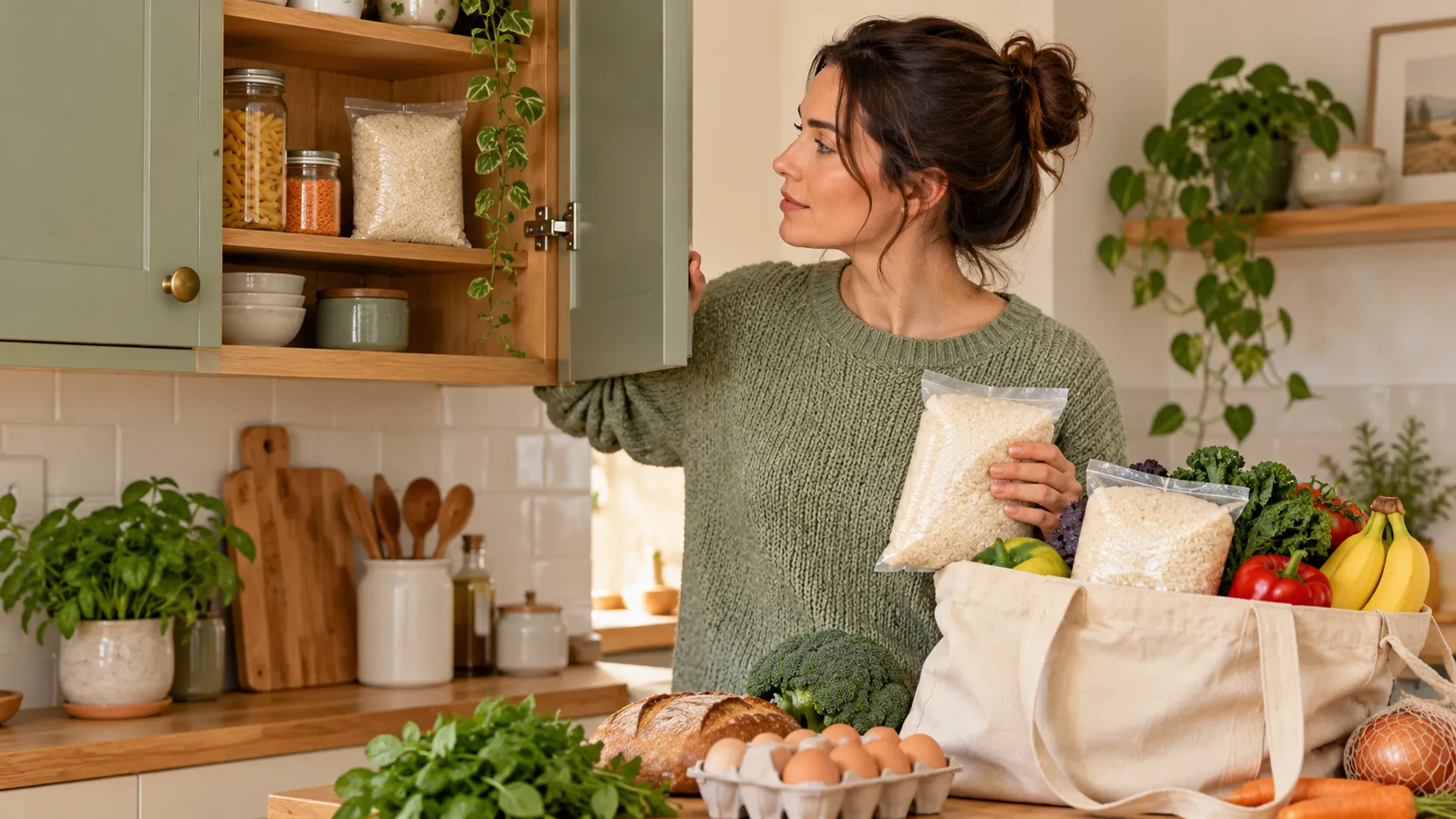
What should you check before adding groceries to your list?
Start with the products you often buy again by mistake. Check whether there is enough for what you plan to cook before the next shop, and add only what is missing. You do not need a full kitchen count. A look at the relevant shelf, fridge drawer or freezer section is enough to make the decision.
Heart Foundation NZ’s shopping advice recommends checking the fridge and cupboards for ingredients already at home before buying more. Include the freezer when deciding what your household still needs.
Marsonya keeps your pantry, fridge and freezer records together. You can look up recorded food while shopping instead of guessing whether it is still at home. Barcode lookup and camera-read dates reduce typing when adding food, while a quick Eaten swipe updates a tracked unit when it is used.
Want your kitchen stock and next shop in one place? Join Marsonya’s early-access list and we will email you when access opens.
How do you turn that check into a cheaper shopping list?
Build the list from the gaps in your kitchen rather than copying last week’s shop. Keep the ingredients you already have off the list unless you need more. You have fewer purchases to plan, and the food you have already paid for gets used.
For example, imagine you are making a rice dish. There is rice in the pantry and veg in the freezer, so you add the missing ingredients instead of buying all of them again. This is an illustration, not a measured household saving.
Marsonya’s shopping lists and Buy Plan help with those purchases. Buy Plan calculates an estimated list total from available store prices and offers one-store or split-store options. You can adjust the list if the estimate is too high. The retailer’s checkout gives the final price and any collection or delivery charges.
What makes the next shop easier too?
Keep the shared food record useful as groceries arrive and get used. Barcode lookup and quick quantity-use swipes reduce the entry involved; a separate ingredient ledger is unnecessary. The app cannot measure what remains in an opened packet, so an uncertain entry may still need a glance at the shelf before another purchase.
When unpacking, put newer packets behind older ones. Love Food Hate Waste NZ recommends this so the earlier purchase gets used first. A deliberate spare is fine if it fits your meals and budget. Knowing it is there is what prevents the next accidental repeat.
What else do people ask about buying duplicate groceries?
Is keeping a spare packet a waste of money?
Not necessarily. A spare can be useful if your household will use it and the purchase fits your budget. The problem is buying another packet because you forgot about one already at home.
Do I have to record everything in my kitchen?
No. Start with the foods you keep buying by mistake. Add other items as the record becomes useful. You do not need to measure every opened packet to decide whether another one is needed.
Does a pantry app know how much food I have left?
A pantry app shows what has been recorded. Marsonya does not automatically measure what remains in an opened packet. Mark finished items as consumed, and check the shelf when a record is uncertain.